2026-10-17 ·
What Affects the Cost of Smoke Odor Removal on Camano Island Properties
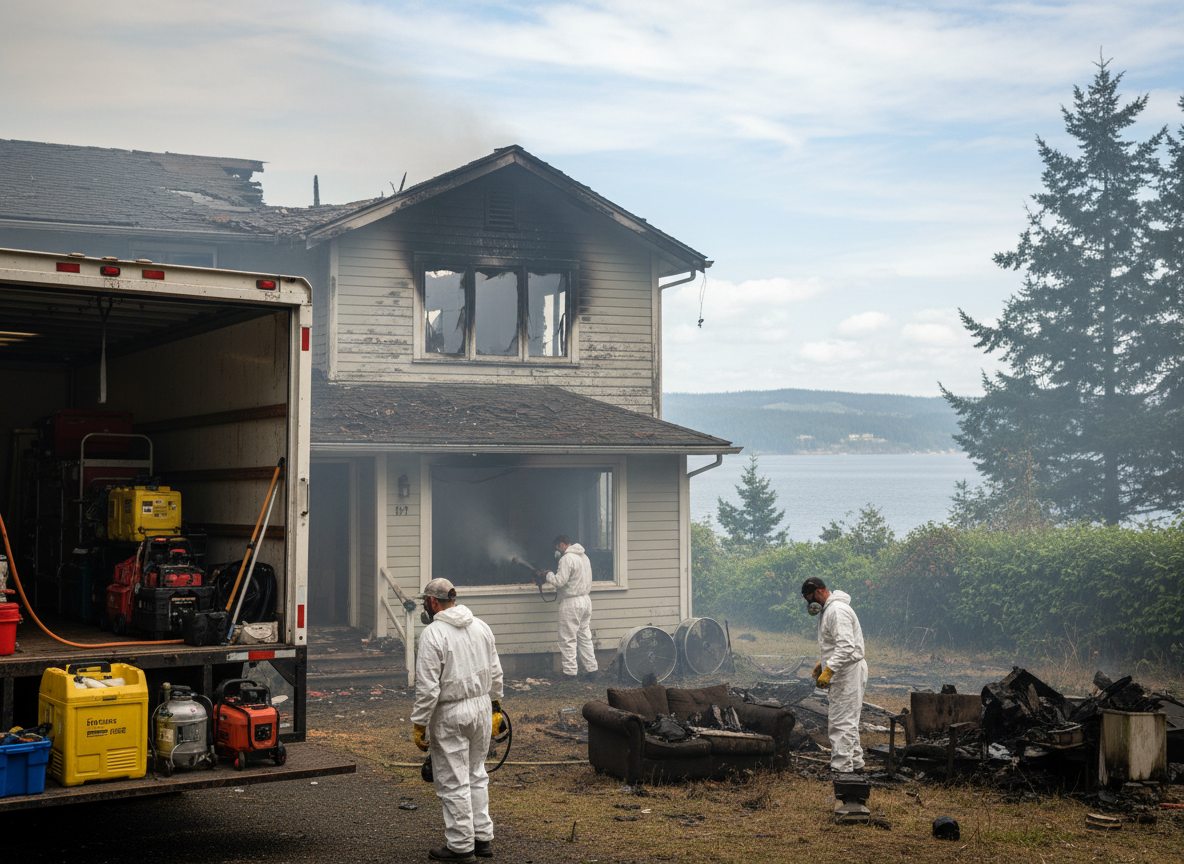
Smoke odor removal on Camano Island properties typically varies based on the depth of smoke penetration into porous materials, the square footage affected, and the time elapsed since the fire. Older homes common in Utsalady and Madrona Beach often feature plaster, lathe, and unsealed wood that trap odors longer than newer builds, increasing labor and equipment needs. The mild marine climate with wet winters and dry summers adds humidity that slows evaporation and lets residues settle deeper into insulation and subfloors.
Home Age and Construction Materials
Many Camano Island homes built before the 1980s contain plaster walls, hardwood floors, and attic spaces that readily absorb smoke particles. These materials require more aggressive cleaning methods than modern drywall or sealed surfaces found in newer Stanwood-adjacent developments. Operators must often remove and replace sections of insulation or subflooring when odors have migrated through multiple layers. Properties near Cama Beach State Park tend to have more exposed-beam construction that demands extra ozone or hydroxyl treatment time. Each additional layer of material that must be treated or replaced directly raises the overall project scope and duration.
Type and Duration of Smoke Exposure
Different fire sources produce residues that behave differently inside Island County homes. Kitchen fires create oily, protein-based smoke that bonds quickly to HVAC ducts, while electrical fires leave acidic, powdery residues that corrode metal fixtures. The longer smoke circulates before containment, the farther it travels into wall cavities and attic insulation common in Camano City properties. Homes with woodstove heating systems face additional challenges when creosote-laden smoke mixes with standard combustion residues. Thorough assessment of residue type determines whether simple air scrubbing suffices or whether full thermal fogging and multiple sealing coats become necessary.
Climate and Seasonal Conditions
Camano Island's wet winters increase indoor humidity levels that keep smoke odors active longer than in drier regions. This forces restoration crews to run dehumidifiers alongside odor-neutralizing equipment for extended periods, especially in homes near Camano Island State Park where fog and rain keep ambient moisture high. Dry summers allow faster drying but can cause residues to set harder into surfaces before treatment begins. Crews adjust equipment placement and chemical dwell times accordingly, often extending project timelines by several days during peak winter months when moisture intrusion complicates every step.
Property Access and Location Factors
Homes set back from main roads in areas like Madrona Beach require extra time for equipment transport and staging. Limited driveway access or steep terrain common on parts of the island adds labor hours before any odor work starts. Properties close to Arlington or Stanwood may allow quicker material deliveries, but island ferry schedules can still affect same-day response for larger jobs. Addressing odors in detached structures such as garages or workshops adds separate containment and treatment zones that multiply total costs compared with single-structure residences.
For Camano Island residents dealing with lingering smoke after a fire, reviewing the full scope of odor removal after fire and smoke remediation helps clarify what each phase involves. Seasonal patterns also play a role; see Seasonal Fire Risks from Woodstoves and Heating Systems in Island Homes for more context on local heating-related incidents. Service extends to nearby Stanwood when needed.